
-
2026/08/25 09:31
Rubbish tips where treasures are hidden: how human error costs millions in art and cryptocurrency
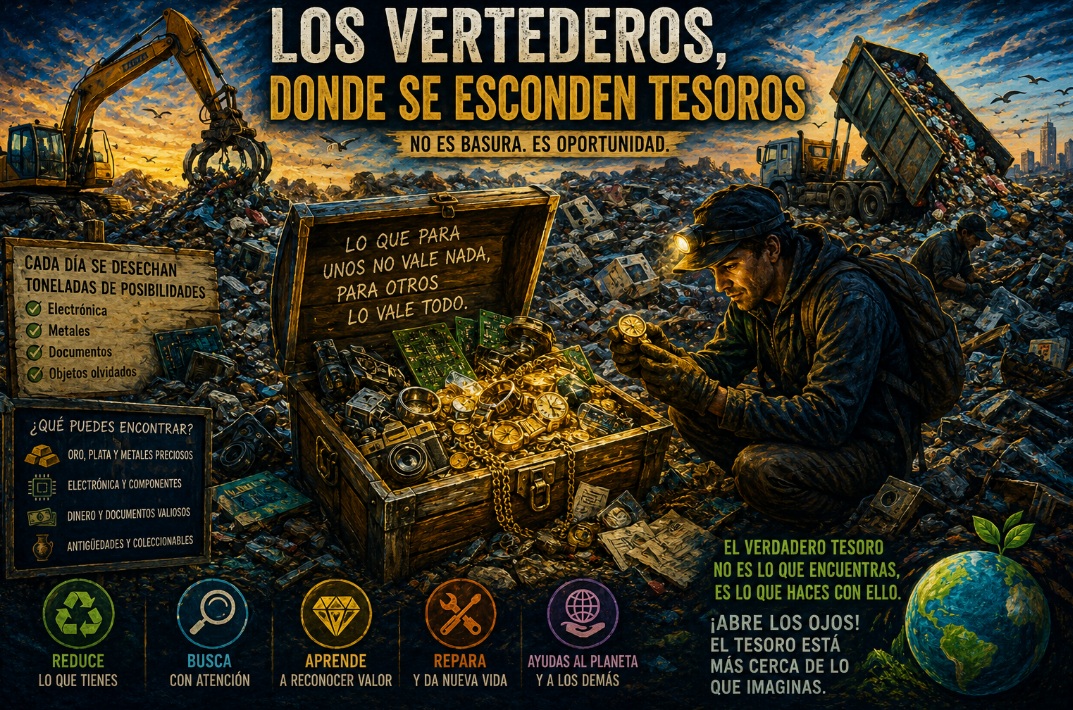
Every year, humanity produces over 2 billion tonnes of solid household waste alone, and the World Bank forecasts that by 2050 this figure will exceed 3.4 billion tonnes. Landfills have long been symbols of modern civilisation and the environmental crisis, but at the same time, to humanity’s surprise, they are turning into sites of sensational discoveries. It is there that world-class paintings, rare cars, jewellery, historical archives and even hard drives containing cryptocurrency fortunes worth hundreds of millions of dollars are found. The paradox of the 21st century is that the most valuable treasures are increasingly being lost not by technology, but by people.
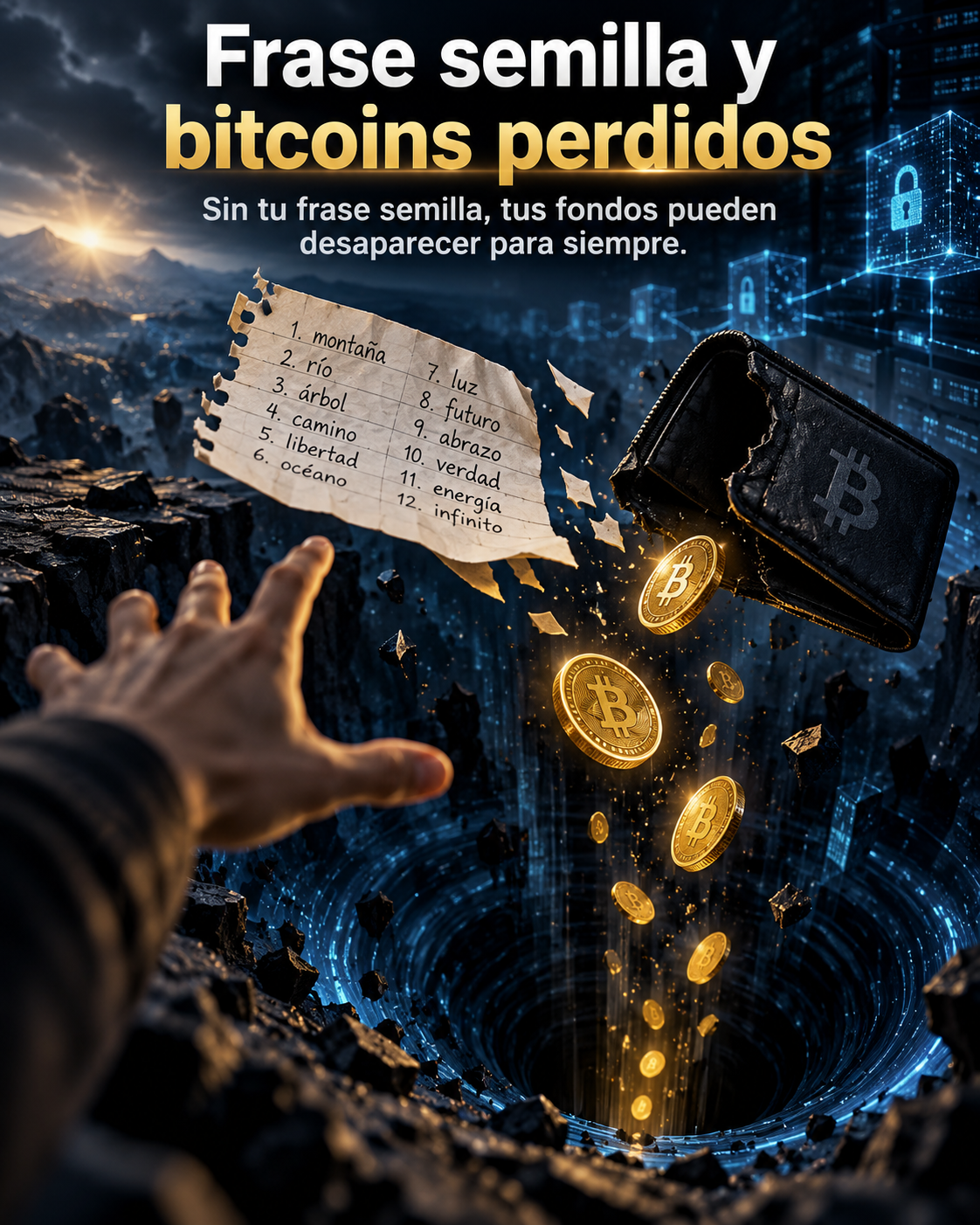
It is virtually impossible to alter a blockchain ‘retrospectively’ or to forge it. Cryptography protects the entire network, not just Bitcoin or Ethereum. Consensus reliably validates transactions, private keys ensure control over digital assets, and the decentralised architecture makes the system extremely resilient to any attacks involving purely technical interference. However, there is a weak link that no algorithm can remedy – the human factor.It is precisely because of this that people throw away hard drives containing seed phrases, lose hardware crypto wallets, and irrevocably destroy historical archives, manuscripts and valuable collections. There are countless stories of owners losing access to wallets containing thousands of bitcoins due to storage media being accidentally disposed of. And this does not only happen in the world of Bitcoin.
There is a well-known case where a resident of Amsterdam spotted a very old painting amongst some discarded items, took it home and stored it in an ordinary cellar. It was only after a brilliant journalistic investigation and the work of art detective Arthur Brand that it emerged: this painting was from the legendary collection of the Jewish art dealer Jacques Goodsticker, which was looted by the Nazis in 1940 during the Second World War. The painting will finally be returned to the heirs of its rightful owner.
The most expensive and famous example of how rubbish bins can become a repository for digital treasure is the story of IT engineer James Howells. In 2013, he accidentally lost a hard drive containing the private key to a crypto wallet, which held 7,500 Bitcoin, or, according to other estimates, around 8,000 BTC. The hard drive ended up at a domestic waste tip in Newport (Wales, UK). For many years, Howells tried to obtain permission to excavate the tip, offering to fund the operation.
The blockchain continues to function flawlessly, and the story of James Howells’ life once again demonstrates a fundamental principle of the global cryptocurrency world: Bitcoin cannot be hacked, but it can be lost forever, because the private key exists only in the storage location where the owner has kept it. And if a hard drive, hardware wallet or backup seed phrase ends up in the rubbish, the network is unable to restore access to the assets. In the digital age, humanity’s greatest and most valuable treasures may lie neglected not only in museums or bank vaults, but also beneath tonnes of rubbish.The other side of the coin is that people do not understand the true value of the items they find and mistake original works of art for cheap copies. The world is aware of hundreds of documented cases where valuable items have been found in rubbish dumps or amongst discarded goods, including: stolen paintings, archival documents, suitcases containing cash and jewellery, crypto wallets and exclusive vintage cars, amongst others.
Important: the crypto industry is investing more and more actively in the planet’s ecology and environmental conservation. Crypto companies and blockchain projects have funded programmes to clear plastic from the oceans, restore forests, develop renewable energy, and tokenise carbon credits, where 1 credit equals a 1-tonne reduction in CO₂. Such initiatives have been implemented by the Algorand Foundation, KlimaDAO, Ripple, Toucan Protocol and a number of other ecosystems seeking to combine digital finance with the fight against climate change.
Revolut data breach: are hackers blackmailing customers, and are their passports, IBANs and Bitcoin transactions at risk?

Trump’s crypto profits of around 2.5 billion versus investors’ losses of nearly 5 billion: has politics become part of the business model?
Crypto trader hits the jackpot, turning $1,491 into $1.2 million in 7 hours

The price of 1 Bitcoin is set to exceed $100,000. When will this happen?
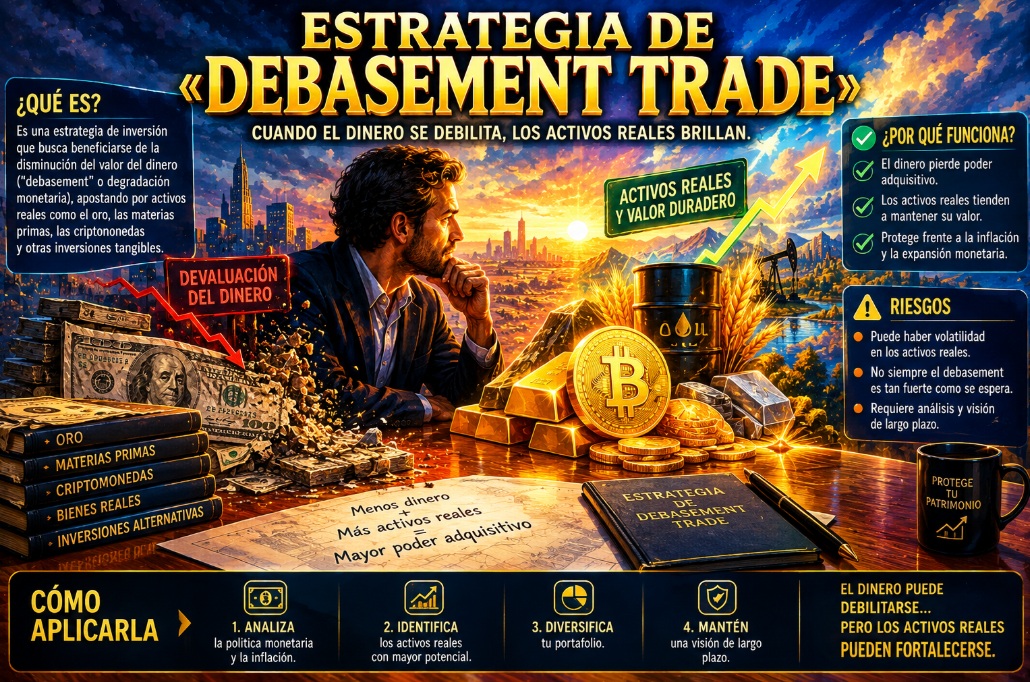
The ‘debasement trade’ strategy: Cryptocurrency prices have risen, with Bitcoin trading at up to $80,000