
Antonio had always considered himself an experienced and cautious cryptocurrency user. He had always known that, in the world of cryptocurrencies, the security of assets depends entirely on the user themselves, and that the key element of protection is the seed phrase, which grants full control over the wallet.
Antonio had read a great deal about security on forums and explained to his friends that it is precisely this phrase that grants full access to a crypto wallet. He emphasised that no service or customer support team would ever ask for this information.
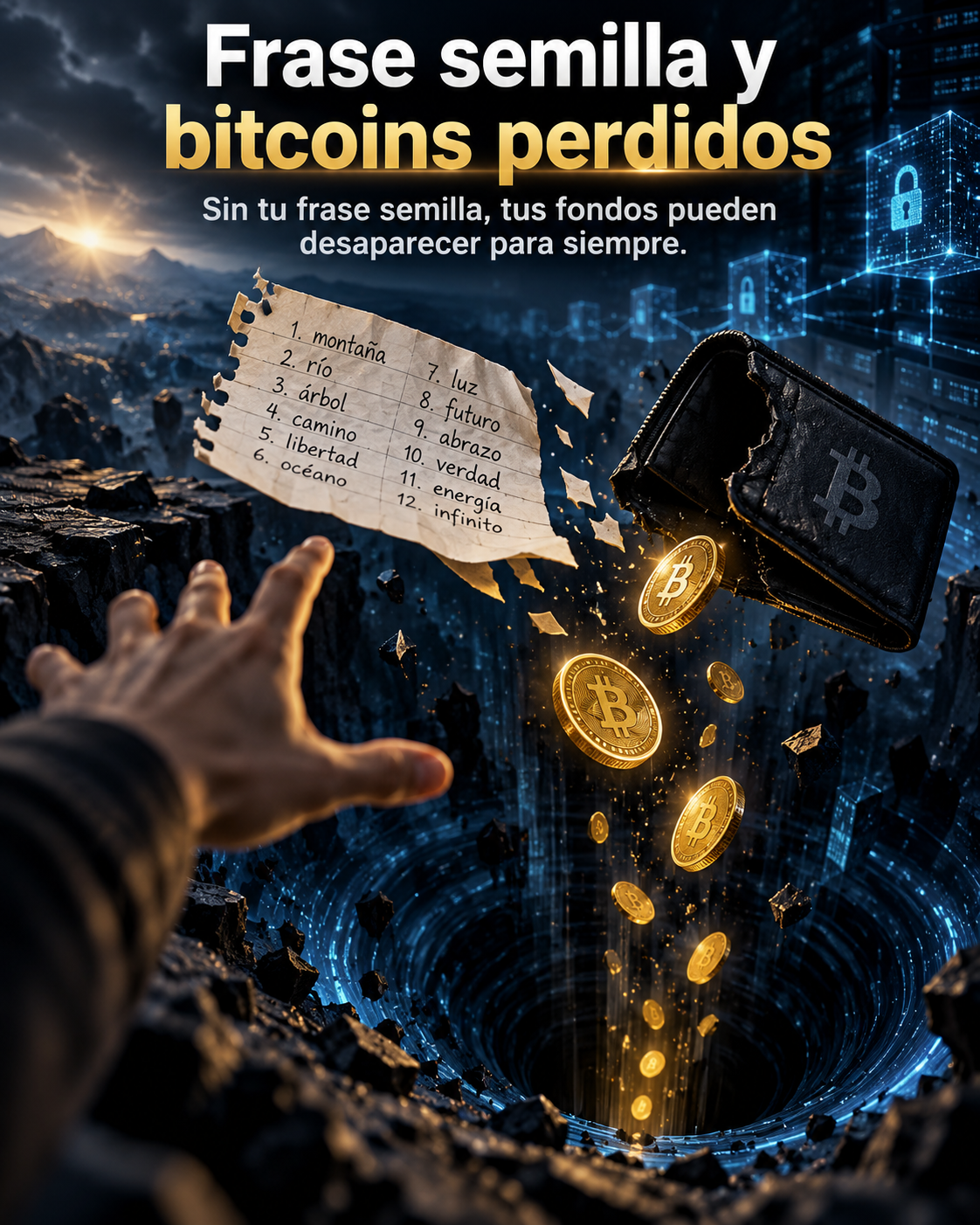
But one evening, he did something that seemed like a minor detail – he took a photo of the mnemonic phrase written on a piece of paper, consisting of 24 random words, which is the master key to his cryptocurrency wallet, so as ‘not to lose it’.
The photo turned out quite clear. Antonio immediately cropped out the excess and saved it to his gallery. At the time, it didn’t even occur to him that his smartphone automatically synced with the cloud. A copy of the file ended up in an account he hadn’t checked for years. The password was old and simple, and he’d never set up two-factor authentication, always putting it off ‘until later’.
Days passed, and then weeks. Antonio went about his usual life, occasionally checking his balance. He had 18 bitcoins in his account. Not a huge sum for him, but quite a substantial amount. He was in no hurry to change anything, as he was convinced that the most important thing was that the seed phrase was ‘safely hidden’ in the gallery.
Meanwhile, elsewhere, other people were already hard at work. Hacking into cloud services was just another job for them, part of their daily routine. Once they’d gained access to yet another account, they ran a simple algorithm: searching for files containing the keywords ‘seed’, ‘wallet’ and ‘backup’. And this time, they got lucky.
Antonio’s seed phrase was among the other photos – an unprotected photograph, an unencrypted file. In just a few minutes, access to Antonio’s crypto wallet was in the hands of strangers. The transaction went through quickly and irrevocably.
Antonio only found out about it the following morning.
At first, he couldn’t believe it. He checked again. Then again. But the balance was zero.
Searching for a mistake, panic – it all came together in an instant. But, unfortunately, in the crypto world there is no ‘cancel transaction’ button. There is no support service that will return the lost funds.
Fortunately, for Antonio, this wasn’t a catastrophe that ruined his financial life. But it was that very ‘not huge, but rather unpleasant loss’ that leaves a lasting mark. A loss that constantly serves as a reminder of just one mistake.
Since that day, Antonio has changed. He no longer keeps anything digital relating to access to his crypto wallet. He never takes photos or screenshots, never jots down details in notes, never enters his seed phrase on suspicious websites, and never trusts any ‘support services’.
Antonio insists time and again: anyone who has once lost access through their own carelessness will never take it lightly again. And to anyone willing to listen, he repeats the same thing: in the world of cryptocurrency, security is not an option, but the only condition for survival.