
-
2026/10/31 11:35
Floods in Nepal: 903 dead and 4,247 missing. Cold crypto wallets are likely irretrievable
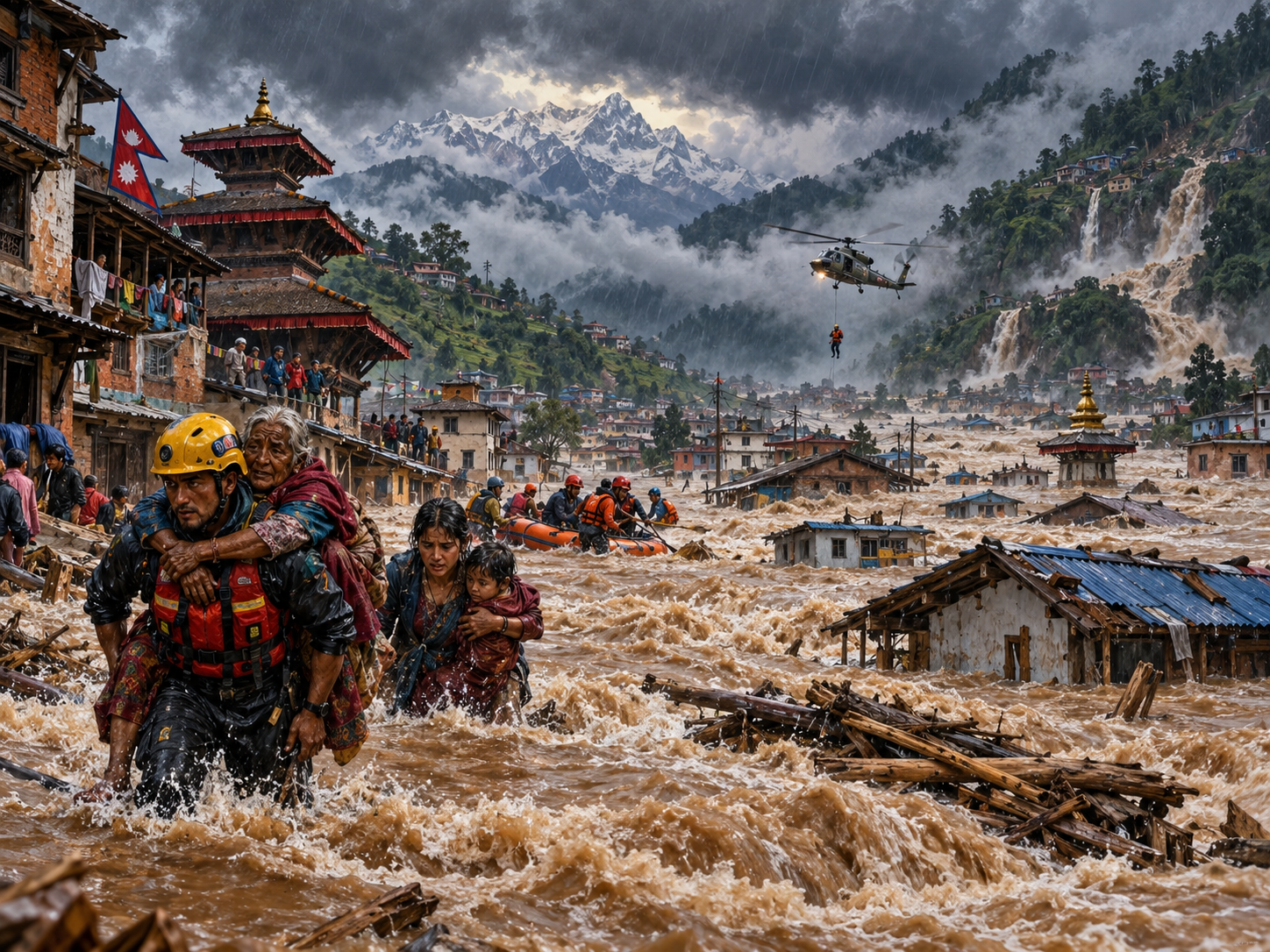
Nepal is experiencing one of its worst disasters, and as of 31 August, the authorities have reported 903 deaths and 4,247 people missing. Over 90,000 people have been affected, hundreds of hydroelectric plant workers remain trapped in tunnels, and search and rescue operations are ongoing. The flooding was caused by a massive glacial collapse on the border between Nepal and Tibet.
There is another consequence for the global crypto market that people are still reluctant to discuss – the destroyed property may have included not only hardware crypto wallets but also the pieces of paper on which seed phrases were stored. However, as of today, there are no officially confirmed figures on the extent of such losses in Nepal, so it is not yet possible to say that ‘access to cryptocurrency has been lost forever’.
Water destroys only access, not Bitcoin itself. And this is the most crucial feature of self-custody. Bitcoin, Ethereum or other assets do not ‘physically reside’ inside a Ledger or any other hardware wallet. The device merely stores the keys or facilitates their use, whilst the assets themselves reside on the blockchain. If the owner loses their seed phrase and all other means of recovery, the digital assets may remain permanently inaccessible, and there are already countless such cases worldwide.
The blockchain has no mechanism to ‘restore ownership’ based on documents, inheritance rights or the fact of death. This is precisely why the death of a person, along with the sole copy of their seed phrase, represents a potentially permanent loss of control over crypto-assets. This is where the line is drawn between decentralisation and physical security.
A hardware wallet that has been completely destroyed does not in itself mean the loss of funds. After all, if the seed phrase has been preserved, the wallet can be restored on a compatible device. For example, Ledger explicitly states that, provided the seed phrase is available, the wallet can be restored even after the device itself has been lost. So, water can destroy a house, a phone, a laptop and a hardware wallet, but not the record on the blockchain. Problems only arise when all the backups are located in the same room.
Unfortunately, the tragedy in Nepal and similar disasters are forcing us to change our storage model. To protect your seed phrase, it is advisable to have two (or more) physically separate copies and not to store both copies in the same place. A flood, mudslide or earthquake should not destroy all your backups at the same time.
Furthermore, and this is important – do not store your seed phrase together with your hardware wallet. Remember: taking a photo of your password and storing it on your phone, in cloud storage or in a messaging app, whilst creating a digital copy, always creates a new vector of attack.
It is important to consider the details of inheritance should the owner pass away. A family aware of the assets’ existence will not be able to access them without the correct recovery phrase. The seed phrase is, in effect, the key to all the private keys associated with it.
The main lesson from Nepal for the crypto industry is simple and unpleasant: a decentralised blockchain does not mean unlimited and constant access to funds. Your Bitcoin may survive a flood, but your house might not. And if the only copy of the seed phrase is lost along with it, those coins may be lost forever to you or your family.

Is the US blocking Bitcoin for 20 years against a backdrop of over $40 trillion in debt?

18 Stolen Bitcoins, or Why You Shouldn’t Take a Photo of Your Seed Phrase
Revolut data breach: are hackers blackmailing customers, and are their passports, IBANs and Bitcoin transactions at risk?

Trump’s crypto profits of around 2.5 billion versus investors’ losses of nearly 5 billion: has politics become part of the business model?
Crypto trader hits the jackpot, turning $1,491 into $1.2 million in 7 hours