
-
2026/07/29 08:11
Coins that could rise in value 1,000-fold: what a crypto investor should do
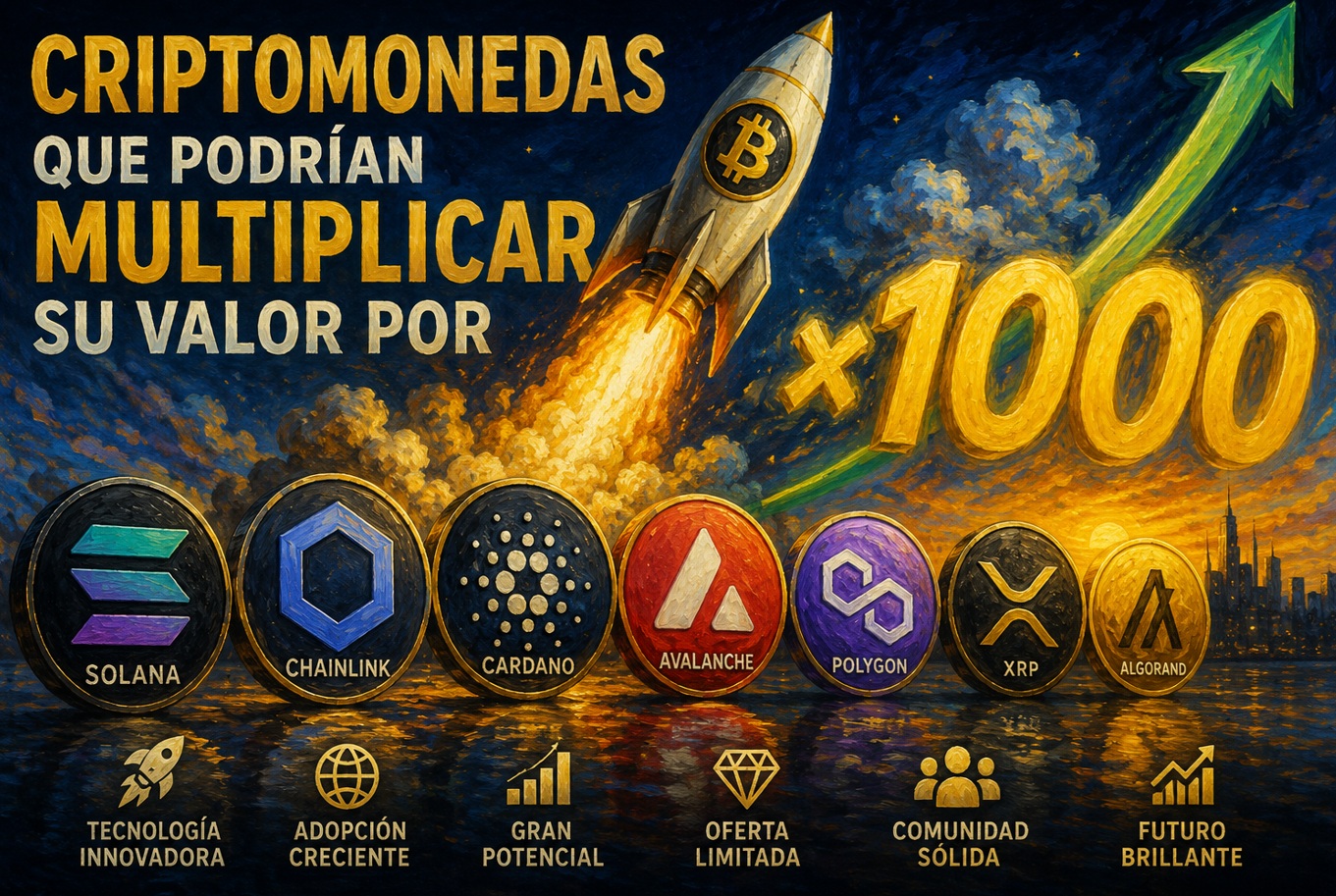
Almost every day, the cryptocurrency market is joined by new digital assets. In 2024–2025 alone, thousands of new tokens were created on a massive scale, predominantly on the Solana, Ethereum and BNB Chain networks. The vast majority of these will never succeed. However, certain projects are capable of demonstrating growth of hundreds, and in some cases thousands, of times over in the ‘foreseeable’ future. That is precisely why savvy and creative investors, who keep their finger on the pulse of the market, are closely monitoring new launches.
Among the best-known and most sought-after crypto-assets released or officially launched between 2020 and 2026, the following are worth noting:
• Aptos (APT). The native token of the Aptos network (2022);
• Berachain (BERA). The native token of the Berachain network (2025);
• EigenLayer (EIGEN). A token (2024);
• Ethena (ENA). A token (2024);
• Story (IP). The native token of the Story blockchain (2025);
• Sui (SUI). The native token of the Sui blockchain (2023);
• Worldcoin (WLD). A token (2023).Each of these projects has received significant support from the crypto community – investors and venture capital funds. However, even this factor does not guarantee future price growth. After all, a whole range of factors influences the price growth of a cryptocurrency.
People who have consistently achieved positive investment results over many years typically possess ten distinctive personality traits:
• they think long-term;
• they analyse a project’s fundamentals;
• they adhere strictly to their own strategy;
• they keep greed and fear (FOMO) in check;
• they are constantly learning;
• diversify their portfolio;
• take a critical approach to information from social media;
• do not panic during market downturns;
• invest only capital they can afford to lose;
• regularly take profits on a portion of their returns.Therefore, for successful crypto investing, the most important factor is, and will remain, not luck but psychology. Modern, in-depth research into behavioural models in finance shows that emotions, in fact, more often cause greater damage to a portfolio than market volatility.
The crypto market has been, is, and will remain one of the world’s most dynamic global financial sectors, where the success of many modern blockchain projects has been made possible by early investors. It was these people who recognised the potential of the technology even before its widespread adoption. At the same time, the history of cryptocurrency development is littered with thousands of projects that have run their course and completely lost all value. This is one of the reasons why professional investors assess not only potential returns but also risks, liquidity, tokenomics, the level of decentralisation and the practical application of blockchain.
The bottom line is that an early, yet well-analysed entry can sometimes yield significantly higher returns than investing in already mature crypto-assets. At the same time, new coins and tokens can offer exceptionally high potential returns precisely because the market has not yet fully assessed their technology or business model.
As for investing in new cryptocurrencies, this only makes sense as part of a diversified portfolio, but only after careful analysis. A combination of psychological discipline, risk management and fundamental research into projects significantly increases the chances of a positive outcome, although no investment can guarantee exceptional returns.

Is the US blocking Bitcoin for 20 years against a backdrop of over $40 trillion in debt?

18 Stolen Bitcoins, or Why You Shouldn’t Take a Photo of Your Seed Phrase
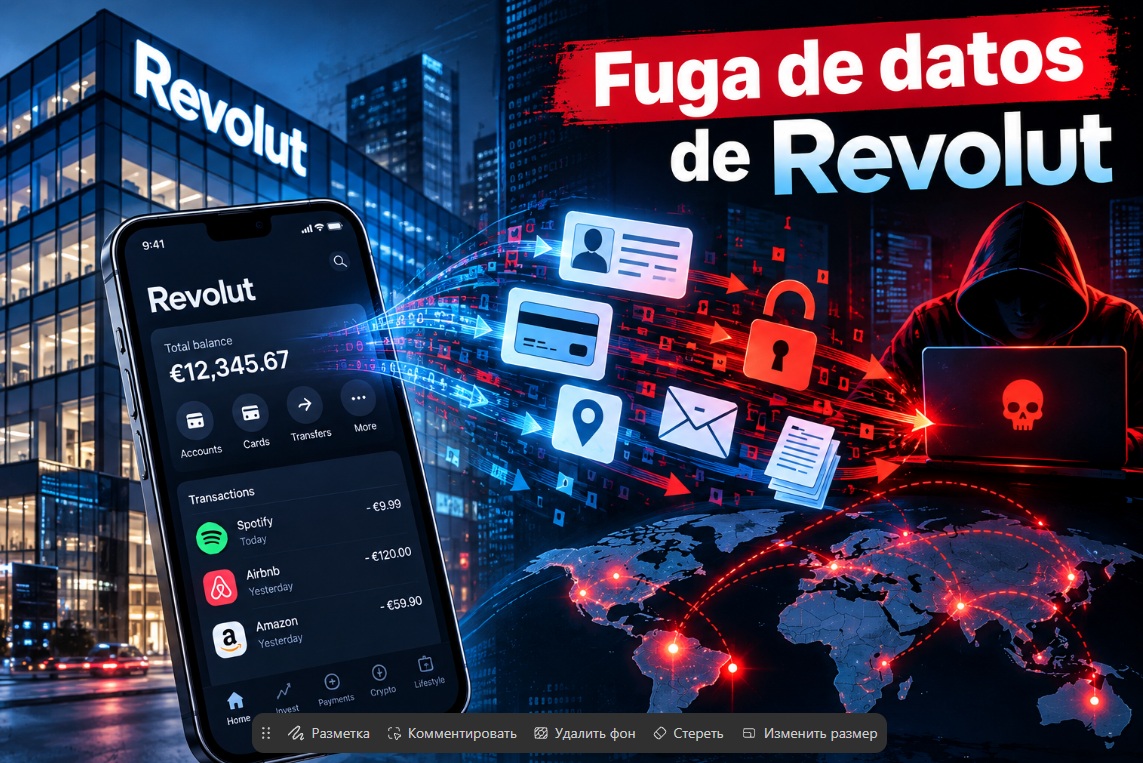
Revolut data breach: are hackers blackmailing customers, and are their passports, IBANs and Bitcoin transactions at risk?

Trump’s crypto profits of around 2.5 billion versus investors’ losses of nearly 5 billion: has politics become part of the business model?
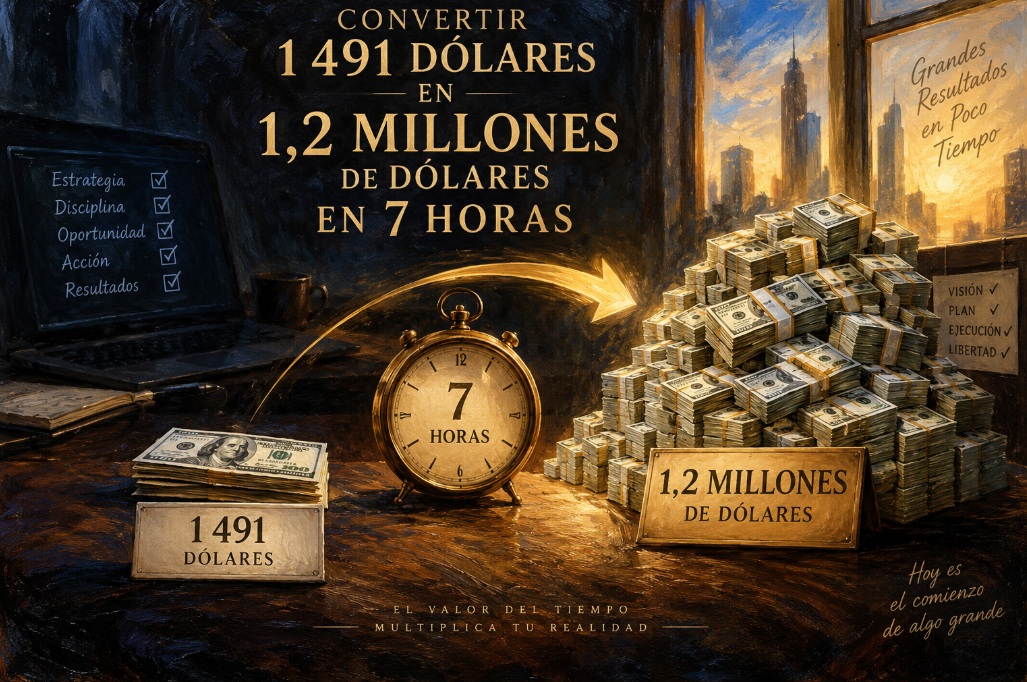
Crypto trader hits the jackpot, turning $1,491 into $1.2 million in 7 hours