

How crypto wallets have become the main target for fraudsters
Nowadays, a digital wallet (crypto wallet) is not only an essential tool for storing Bitcoin, Ethereum, USDT or other cryptocurrencies, but also a prime target for cybercriminals. Indeed, according to data from leading analytics firms CertiK, Chainalysis, TRM Labs and the FBI’s Internet Crime Complaint Centre (IC3), phishing and the compromise of crypto wallets remain among the most common causes of digital asset loss. In 2025, users lost billions of dollars due to the high volume of cryptocurrency crimes, with the majority of attacks targeting holders of Bitcoin (BTC), BNB, Ethereum (ETH), Solana (SOL) and Tether (USDT).
As of today, according to estimates by security researchers, the largest share of thefts involves Bitcoin – around 40 per cent, BNB – 8 per cent, Ethereum – 30 per cent, USDT – 15 per cent, and Solana and other assets – around 7 per cent. This distribution is explained not only by the widespread use and liquidity of these cryptocurrencies, but also by the large number of holders.
What is a digital wallet?
A digital (cryptocurrency) wallet is a hardware or software tool that stores the private cryptographic keys required to access blockchain assets. The coins themselves are not stored inside the wallet – they exist on the blockchain, and the owner possesses and controls them via a private key and seed phrase.
In 99 per cent of cases, the theft of the aforementioned data results in a complete loss of control over one’s assets.
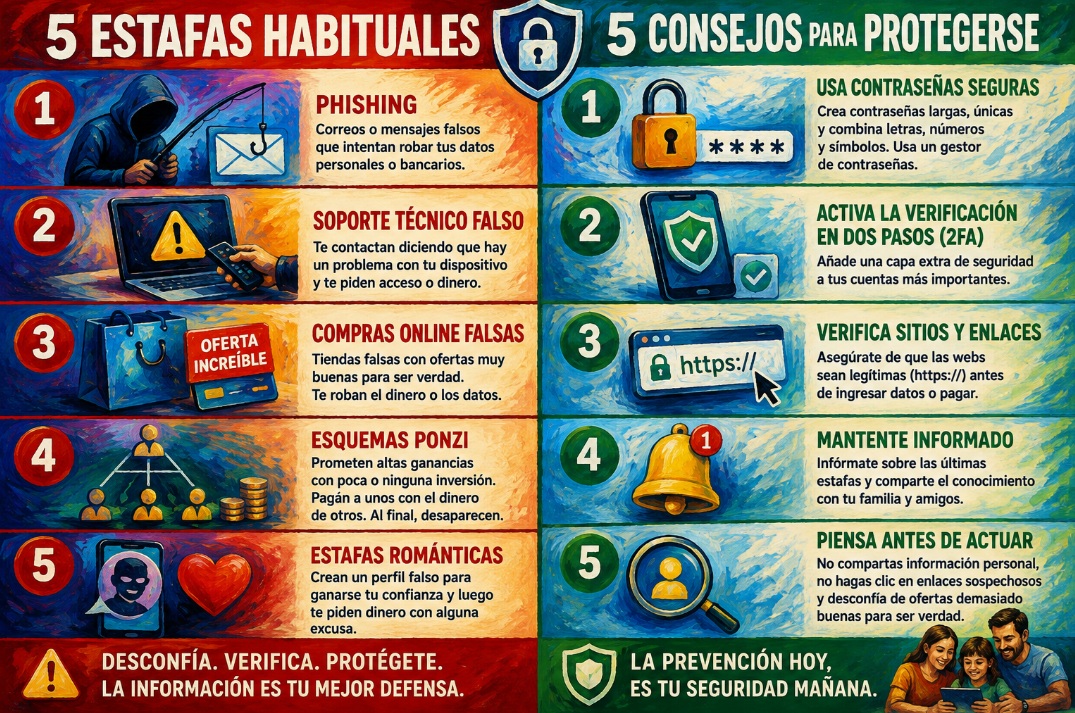
The 5 most common cryptocurrency theft schemes
1. Phishing websites
Cybercriminals create copies of the most popular crypto exchanges and crypto wallets, tricking users into entering their private key or recovery phrase (seed phrase). The assets are then transferred to the criminals’ addresses.
2. Fake apps
Fake mobile apps or browser extensions masquerade as well-known crypto wallets. Once installed, they intercept keys or substitute the recipient’s address when cryptocurrency is sent.
3. Malware
Trojans, keyloggers and clipboard malware are capable of intercepting passwords or copying seed phrases, and automatically replacing the crypto wallet address whilst copying.
4. Signing malicious smart contracts
When interacting with DeFi projects, a user may grant unlimited approval access to tokens. If the contract is fraudulent, it gains the ability to drain assets very quickly without further confirmation.
5. Social engineering
Fraudsters pose as exchange staff or technical support representatives for crypto companies and, through psychological manipulation during communication, coerce users into voluntarily handing over confidential information.
5 tips for protecting your digital wallet
1. Never disclose your seed phrase or private key;
2. Use only official apps and update them regularly;
3. Use hardware wallets for the long-term storage of large sums;
4. Check your token approvals and regularly revoke any unnecessary permissions;
5. Enable two-factor authentication (2FA) and use strong passwords. Check the recipient’s address before every transaction.
Cybercrime is increasingly shifting from attacks on centralised exchanges to targeting individual digital wallet holders. According to forecasts, over the next two years, the number of attacks utilising artificial intelligence, phishing campaigns, malicious smart contracts and deepfakes (from ‘deep learning’ and ‘fake’) will continue to rise. At the same time, the use of cold (hardware) wallets, biometric authentication, multi-factor authentication and risk monitoring services will also expand. Cybercriminals exploit human carelessness rather than sophisticated technical tools. Therefore, a single careless action could cost you your entire portfolio.