
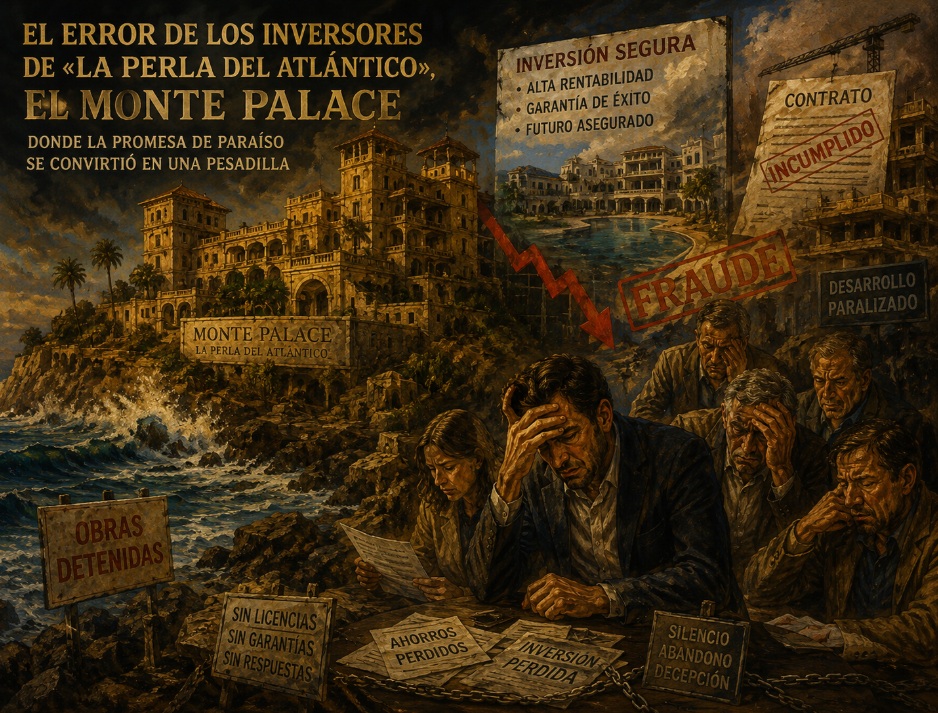
Perched atop the volcanic crater on the island of São Miguel, amidst the thick mists of the Azores, stands the 5-star Monte Palace Hotel. On the archipelago, it stood like a giant’s ghost, embodying absolute luxury, and was seen as holding the key to a bright future for Portugal’s tourism industry. But the Monte Palace’s subsequent fate became a prime example of how overly ambitious investments can be lost over minor details: miscalculations, an overestimation of the tourism market and inadequate forecasts of its potential.
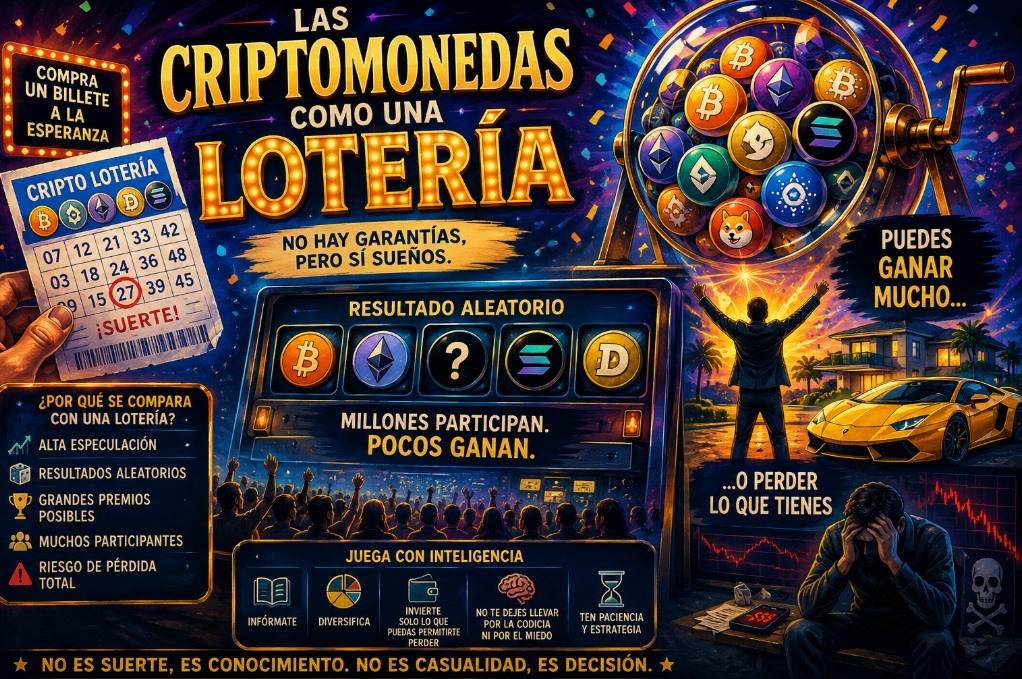
Cryptocurrency has long been used to invest in modern construction projects in Lisbon, to buy one’s own flat in Dubai, or to purchase luxury villas in Europe’s most famous tourist regions. During the period of rapid growth for Bitcoin, Ethereum and Tether, a whole generation of investors emerged on the market, ready to invest digital assets in property – flats, hotels and tourism infrastructure. Had a similar project been built between 2010 and 2025 with the involvement of crypto entrepreneurs, this story might have unfolded quite differently – the vast majority of crypto enthusiasts would have envisaged Monte Palace with tokenised ownership shares, accommodation payments in cryptocurrency, NFT access to apartments, and so on.
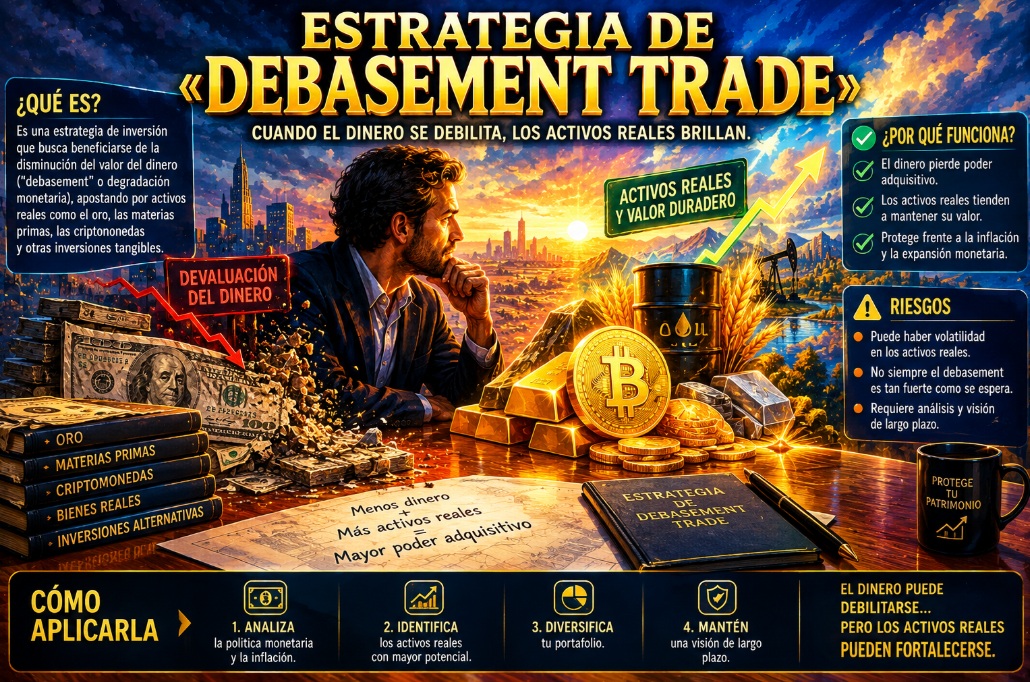
But the crypto market has its own characteristics and differs from the property market: if the construction of Monte Palace had been financed by Bitcoin in 2021, then in 2022, following a market crash, investors could have lost over 60 per cent of the value of their assets. It is precisely because of this factor that modern crypto funds are increasingly investing in real, ‘physical’ assets. The geographical scope of this trend is quite broad. Typically, these are residential complexes, data centres, hotels or commercial property in Spain, Portugal, the UAE and Singapore.
Although the Monte Palace Hotel was opened at the stunning Vista do Rei viewpoint, with panoramic views of the Sete Cidades lakes, the problem was that the investors made numerous mistakes and miscalculations.
And although the complex had around 90 luxurious rooms, a presidential suite, conference rooms, a bar, two fine dining restaurants, a nightclub, shops and a hairdresser’s, most potential affluent visitors did not see the point in travelling to a remote mountainous area just to admire the mist. Furthermore, the location had poor air links, very limited tourist infrastructure, poor-quality roads and a challenging climate.
By the time the owner company lost control of the financial situation, Monte Palace had been in operation for only about a year and a half. A colossal €10 million was invested in the mega-project, which (as of today) is equivalent to approximately 144.73 BTC or 5,119.65 ETH. Paradoxically, the hotel received the ‘Best Hotel in Portugal’ award almost simultaneously with the announcement of its closure.
In 2017, the Chinese company Level Constellation announced the purchase of the complex and its intention to revive the hotel. Investors spoke of tens of millions of euros in future capital investment, some of it in cryptocurrency. However, the renovation never got off the ground, and the Monte Palace has become a cult destination for tourists, photographers and urban exploration enthusiasts, serving as a reminder of the dangers of investing without a precise market analysis.
Enthusiasts and crypto-investors often talk about ‘a clear head, a steely character and financial acumen’, but the story of the Monte Palace shows that even the boldest investments can turn to ruins if planning is not backed up by sound economic analysis.