

-
2026/07/10 15:31
Divorce, a crypto wallet and a payment for murder

For Tanya and Claudia, twin sisters from Denmark, life began like a magical fairy tale. They graduated with distinction from Copenhagen Business School. Beautiful, tall and well-educated, they were worlds apart. Tanya was a fiery brunette with lively brown eyes and a fiery temper. Claudia was a cool blonde, reserved, level-headed and dangerously alluring.
In the summer of 2013, they decided to celebrate their graduation at the legendary Tomorrowland electronic music festival in Belgium. That year, the line-up featured Armin van Buuren, David Guetta, Steve Aoki, Dimitri Vegas & Like Mike and dozens of other stars from the global EDM scene. It was there that Tanya met her future husband, Mark Shveler – a young crypto enthusiast who was only just beginning to take an interest in Bitcoin and other cryptocurrencies.
Their romance blossomed rapidly, though the wedding was a very modest affair. Yet even then, a strange incident occurred: during the celebrations, Mark and Claudia disappeared for nearly an hour, and the guests invited to the ceremony were unable to find them. At the time, Tanya didn’t think much of it, but as it turned out – she should have.
The first few years of their marriage seemed perfect. Mark started making money from cryptocurrencies, and Tanya invested in property – ever-increasing sums appeared in their joint accounts.
In the third year of their marriage, Tanya began to notice things she didn’t want to see: lingering glances, overly suggestive jokes and regular messages between her husband and her sister.
One day, she returned home two hours early. What she saw in the garage instantly brought her back to her senses and shattered her life – Mark and Claudia were naked in the back seat of the car in the garage.
Tanya later learnt the terrible truth: Mark and Claudia’s affair had been going on since the very first day they met at Tomorrowland. Their sixth year of marriage had turned into a slow-motion disaster – the couple no longer lived together, but remained legally married. It was then that a chance occurrence saved Tanya’s life.In her new flat, Tanya opened her old laptop for the first time. A messaging app with Mark’s open account loaded automatically on the screen. Her curiosity got the better of her and she began to read.
Each message was a cruel reality, even more harrowing than the last – Mark and Claudia were discussing her murder. The motive was both chilling and banal – investment accounts, crypto wallets, property.
The plan seemed simple: tampered car brakes and high speed. It was all meant to look like an accident, part of a series of mysterious disappearances of crypto-asset owners. One of the messages mentioned the sum of the reward for the hitman – 1.8 BTC.
When Tanya went to the police, the investigators traced the movement of the cryptocurrency via the blockchain and found a transaction that could have been payment for the murder. The digital trail proved stronger than human love, and Mark and Claudia found themselves under investigation.
But the real shock for the young woman was yet to come – during the investigation, the police discovered that Mark was running a network of fraudulent call centres across several European countries.
The scheme was surprisingly simple: call centre operators posed as employees of banks, crypto exchanges and investment funds. Using psychological pressure, they forced people to disclose their bank details, access codes and recovery phrases, or to transfer funds to third-party accounts.
Tanya survived, but lost her husband, her sister and her trust in those close to her. Criminal psychologists emphasise that during acrimonious divorces, financial motives remain one of the most common causes of the most serious crimes. After all, when a person faces the risk of losing a significant portion of their assets, moral barriers in some individuals break down under the influence of greed, resentment and the fear of losing control over their partner’s life.
After the divorce, Tanya moved to Spain and got a cat.
Revolut data breach: are hackers blackmailing customers, and are their passports, IBANs and Bitcoin transactions at risk?

Trump’s crypto profits of around 2.5 billion versus investors’ losses of nearly 5 billion: has politics become part of the business model?
Crypto trader hits the jackpot, turning $1,491 into $1.2 million in 7 hours

The price of 1 Bitcoin is set to exceed $100,000. When will this happen?
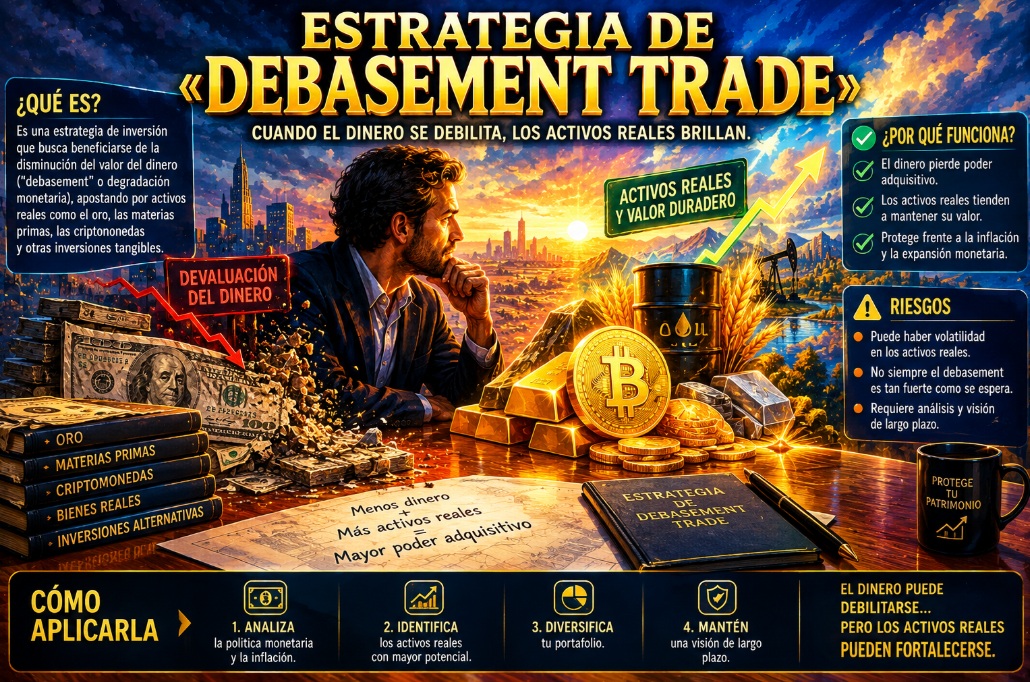
The ‘debasement trade’ strategy: Cryptocurrency prices have risen, with Bitcoin trading at up to $80,000