

-
2026/01/10 18:25
Data centers and AI. Why Bitcoin miners have begun to reorient their infrastructure
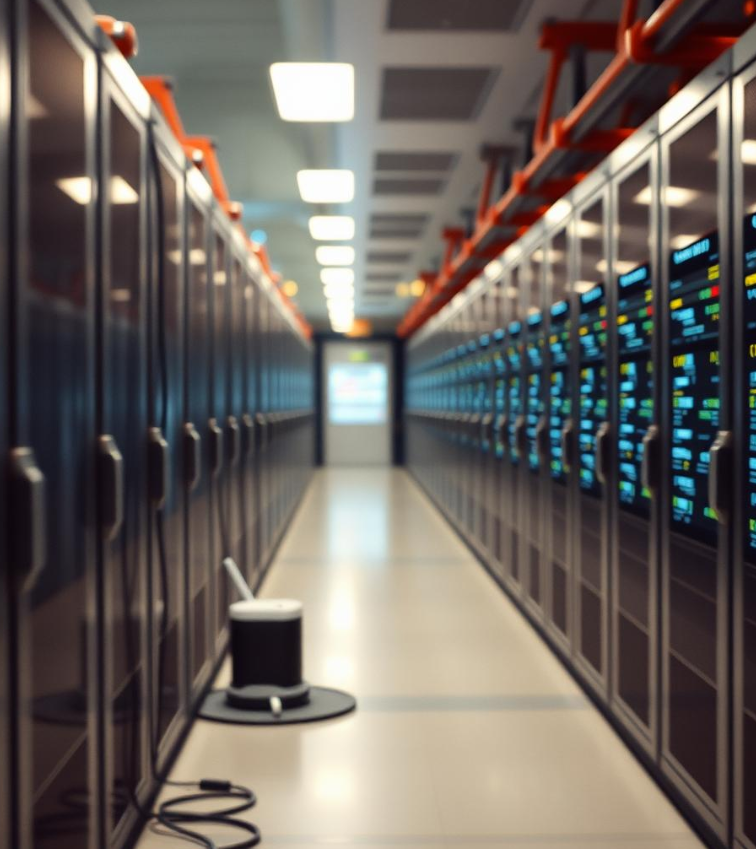
Currently, the global data center market is undergoing structural changes, as Bitcoin miners are increasingly reorienting their capacities toward serving artificial intelligence. The reasons that make classic mining less predictable are obvious — AI is much more profitable in the long run.
After the Bitcoin halving in 2024, the block reward decreased to 3.125 BTC, which, in turn, sharply increased the requirements for higher mining efficiency. With the simultaneous growth of network complexity and high electricity prices, the profitability of many mining farms has come under pressure. In contrast, the AI computing market is showing dynamic growth, primarily due to the development of generative models, cloud services, and corporate AI solutions.
Bitcoin miners have what is critically needed for AI: powerful data centers, access to cheap electricity, cooling systems, and experience in managing very large computing loads. The transition from ASIC equipment to GPU clusters or hybrid solutions allows such companies to quickly enter a separate digital segment of the market economy and process AI requests, rent computing power, and train models.
Another factor is the active interest of large technology corporations. After all, companies developing AI face a shortage of data centers and electricity. This is especially noticeable in North America and Europe. Former mining hubs are increasingly entering into long-term contracts for hosting AI loads, which provides a stable cash flow without dependence on the exchange rate of any cryptocurrency.
Regulatory pressure also plays an important role. In a number of countries, Bitcoin mining is considered an energy-intensive and socially sensitive industry, while data centers for AI are seen as essential infrastructure for the future, supporting innovation, science, and business.
AI transforms former mining farms into strategic assets capable of generating stable income even during periods of cryptocurrency turbulence. Thus, the reorientation of miners towards artificial intelligence has become a logical response to new demands and challenges of the economy, including the computing economy.
Experts note that this is not about completely abandoning mining, but about diversification. The biggest players are creating hybrid models where data centers can flexibly switch between mining and AI tasks depending on the current market conditions.

Revolut data breach: are hackers blackmailing customers, and are their passports, IBANs and Bitcoin transactions at risk?

Trump’s crypto profits of around 2.5 billion versus investors’ losses of nearly 5 billion: has politics become part of the business model?

Crypto trader hits the jackpot, turning $1,491 into $1.2 million in 7 hours

The price of 1 Bitcoin is set to exceed $100,000. When will this happen?

The ‘debasement trade’ strategy: Cryptocurrency prices have risen, with Bitcoin trading at up to $80,000