

-
2026/06/11 18:36
Cryptocurrency, casinos and blackjack: how gambling nearly ruined Oliver Heaviside

Oliver Heaviside knew that in the world of cryptocurrency, coins and tokens are not created entirely silently, as the Proof-of-Work algorithm on which Bitcoin and other first-generation cryptocurrencies operate required specialised equipment, sometimes very ‘noisy’ cooling systems, and a great deal of electricity. That moment when, after a few keystrokes on a laptop and withdrawing BTC or USDT from a crypto wallet, a person sometimes feels like a god. A sort of Dis Pater of the digital age.
This was exactly how Oliver Heaviside lived – a young crypto enthusiast and entrepreneur who, at the age of twenty-nine, made his first millions mining cryptocurrency. His farms operated in Canada and Iceland, and his profits grew just as the Bitcoin price rose. And everything was wonderful, until he walked into the Casino de Monte-Carlo.
It was there that Oliver Heaviside first truly discovered the game of blackjack. He was captivated by the psychology of the game and the sense of control over his emotions and the situation. Soon, he was playing not only in the general gaming halls of the Salle Europe, but also in the private VIP rooms of the Salles Privées.
Blackjack seemed like an intellectual game. Unlike roulette, everything here was logical: hit or stand, double down, and so on. He began to disappear for long periods, and his circle of friends and business partners began to dwindle – after all, when Oliver wasn’t at the table, he would spend hours alone studying probability statistics. Then came the flights in search of a lucky location: Dubai, Las Vegas, Manila, Macau, Cyprus.
Oliver Heaviside abandoned cryptocurrency mining and set off to travel the world to play in casinos. Time ceases to exist in a casino – his life became like an endless night. Nothing but night, silence, cards, alcohol, and adrenaline. Oliver was withdrawing money from his crypto wallets faster than he could top them up – Bitcoin and Ethereum vanished overnight, whilst USDT quickly turned into chips for the games. But each time, he convinced himself that he wasn’t a gambler, that his mathematical strategy required more careful study and refinement.
On his 33rd birthday, Oliver left the gambling hall realising he had lost exactly 33 million dollars. A week before that loss, after yet another unsuccessful game, Oliver caught himself thinking that he was starting to lose concentration and noticed a drop in productivity. He firmly decided to quit the game.
When Oliver stopped playing cards, he went through a real psychological ‘withdrawal’: apathy, insomnia, panic attacks. His life lacked emotion. His body craved adrenaline and risk just as a drug addict needs a fix. It was then that he first admitted: gambling addiction is an illness that destroys a person’s willpower, not just their plans for the future and finances.
To avoid returning to the casino, Oliver Heaviside forced himself to get back into cryptocurrency. He started small: he visited his mining farms and began investing in small blockchain projects.
Once, whilst travelling, he was struck by Valencia Mar Marina – a modern port with a strategic location on the Mediterranean coast. There, amidst the masts in the harbour, he felt a sense of calm for the first time in many years. A few years later, Oliver finally took the plunge and bought a yacht, moving to Spain, where he settled.
He often jokes about himself. He says his name has significance – derived from the Latin Olivarius, ‘one who cultivates olive groves’. And he is convinced that gambling sometimes turns into a trap that destroys a person, their time and their potential. He is also convinced that gambling addiction does not simply disappear through willpower alone, as it is a complex psychological dependency that must be tackled holistically – through the support of loved ones, therapy and a change in lifestyle.
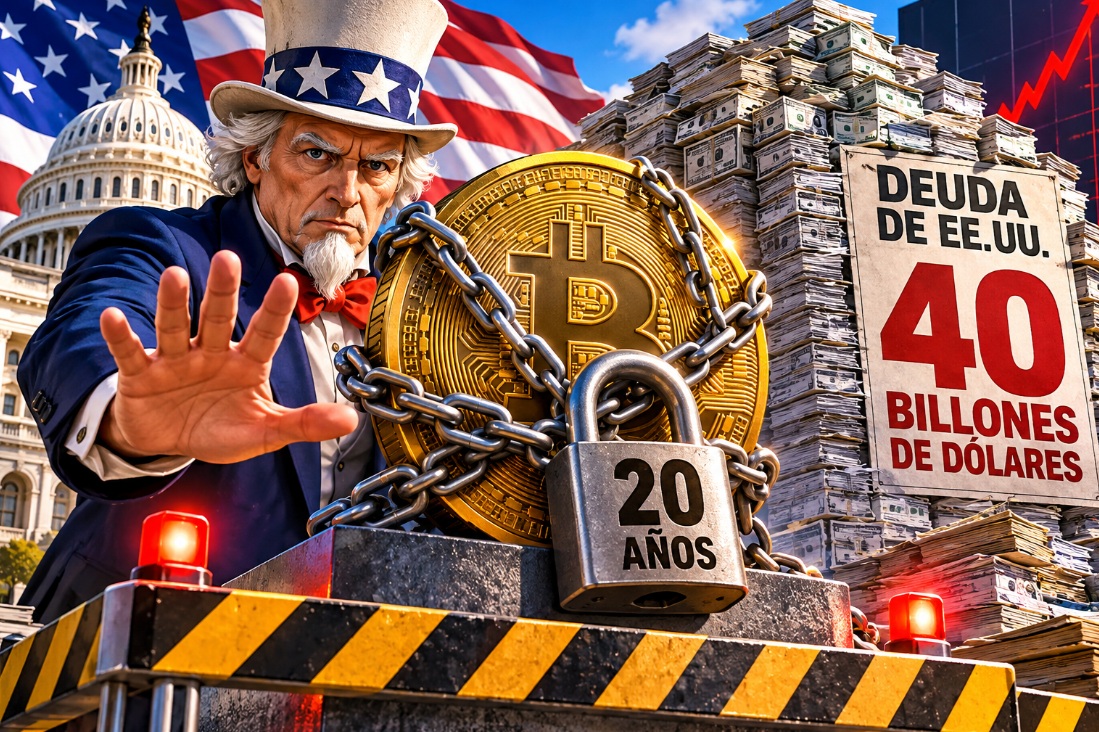
Is the US blocking Bitcoin for 20 years against a backdrop of over $40 trillion in debt?
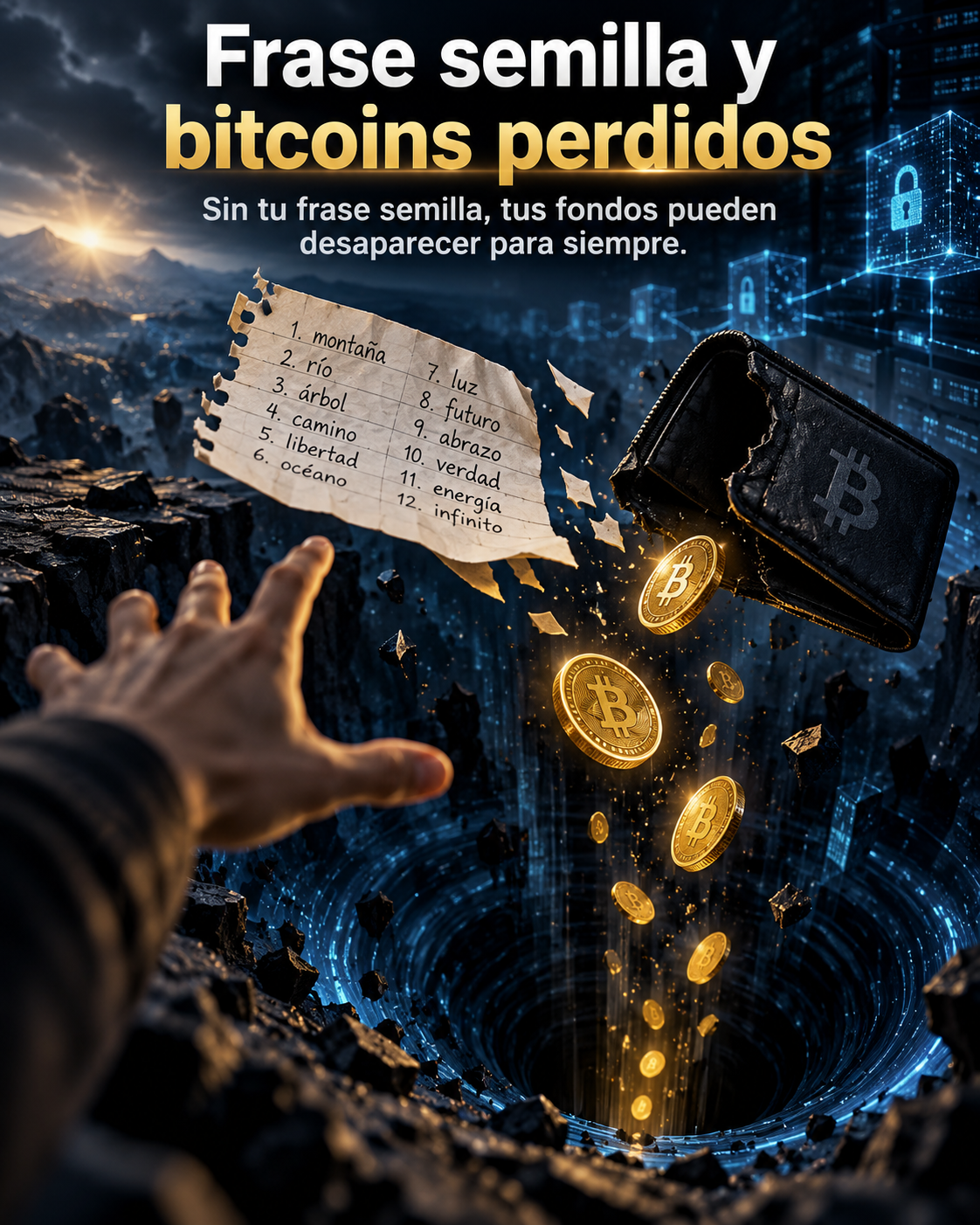
18 Stolen Bitcoins, or Why You Shouldn’t Take a Photo of Your Seed Phrase
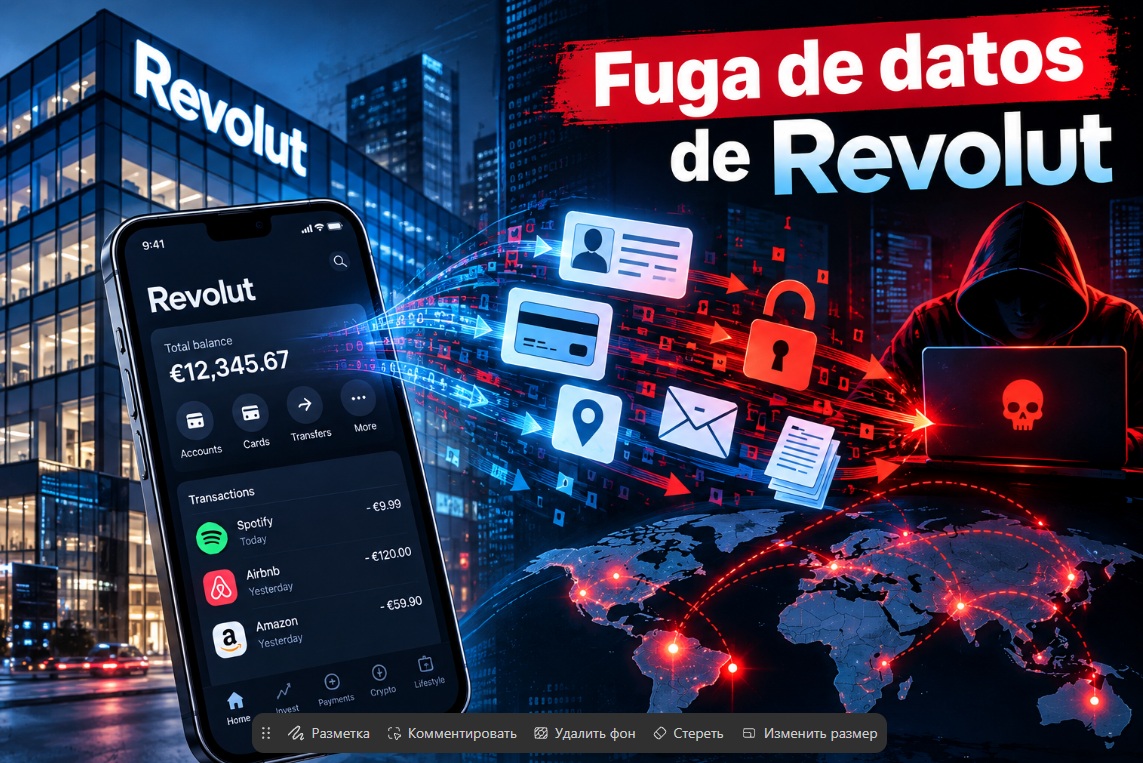
Revolut data breach: are hackers blackmailing customers, and are their passports, IBANs and Bitcoin transactions at risk?

Trump’s crypto profits of around 2.5 billion versus investors’ losses of nearly 5 billion: has politics become part of the business model?
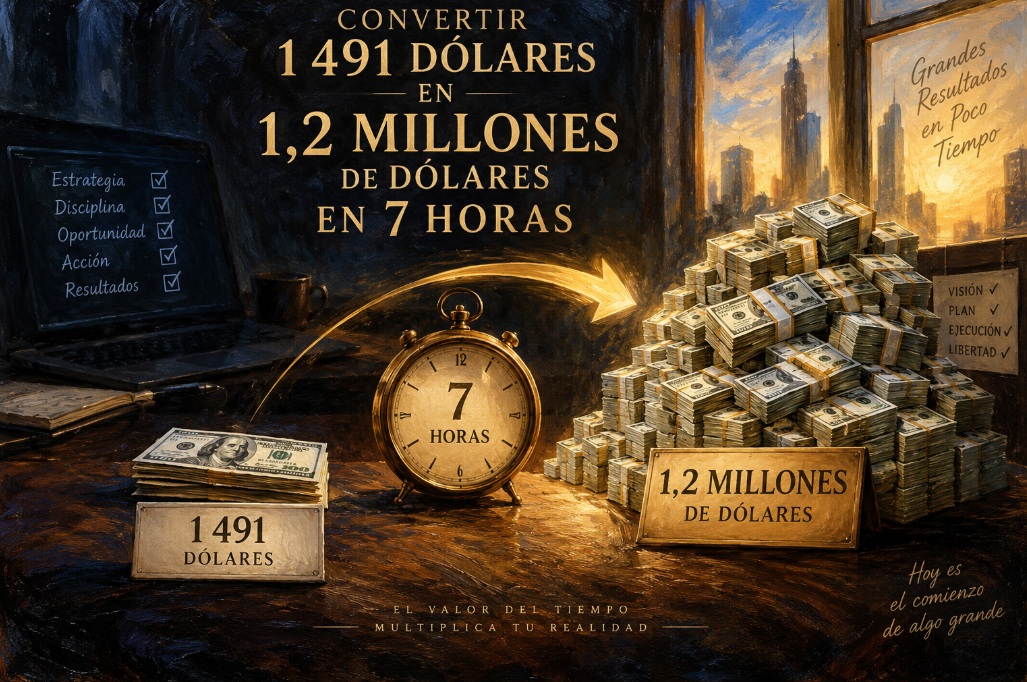
Crypto trader hits the jackpot, turning $1,491 into $1.2 million in 7 hours